
Risk-taking behavior has fascinated researchers, psychologists, and everyday observers for decades. The human capacity to embrace uncertainty and pursue thrills defies simple explanation yet remains central to our evolution and success.

From extreme sports enthusiasts launching themselves off cliffs to entrepreneurs betting their savings on unproven ideas, bold risk-taking behaviors shape our world in profound ways. Understanding the psychological mechanisms and behavioral patterns underlying these decisions reveals crucial insights into human nature, motivation, and the eternal dance between caution and courage that defines our species.
🧠 The Neurological Foundation of Risk-Taking
The human brain contains specialized circuits designed specifically to evaluate risk and reward. The nucleus accumbens, a region deep within the brain’s reward center, floods with dopamine when we anticipate potential gains. This neurochemical response creates the pleasurable sensation that risk-takers chase, making dangerous activities feel exhilarating rather than merely frightening.
Research using functional MRI scans reveals that individuals who engage in bold risk-taking behaviors show distinct patterns of neural activation compared to more cautious individuals. Their prefrontal cortex, responsible for rational decision-making and impulse control, often exhibits reduced activity when evaluating risky options. Simultaneously, their amygdala—the brain’s fear center—may respond less intensely to threatening stimuli.
This neurological profile doesn’t represent a defect but rather a variation in how different brains process uncertainty. Some people are neurologically wired to find risk more rewarding and fear less paralyzing, creating a biological foundation for personality differences in risk tolerance.
The Evolutionary Advantage of Calculated Boldness
Throughout human history, risk-takers have played essential roles in species survival. Our ancestors who dared to explore unknown territories, try unfamiliar foods, or challenge established hierarchies often reaped significant rewards. These bold individuals discovered new hunting grounds, identified edible plants, and secured better resources for their communities.
Natural selection favored a balanced mix of personality types within groups. Too many cautious individuals would miss opportunities, while too many reckless members would endanger the collective. This evolutionary dynamic created the spectrum of risk tolerance we observe today, with some individuals genetically predisposed toward bold action while others naturally prefer safety and stability.
Modern genetic studies have identified specific gene variants associated with risk-taking behaviors. The DRD4 7R allele, sometimes called the “adventure gene,” correlates with novelty-seeking behaviors and appears more frequently in populations with histories of migration and exploration. This genetic evidence suggests that boldness isn’t merely learned behavior but has deep biological roots.
Psychological Profiles: What Drives the Daredevil? 🎯
Personality psychology identifies several traits that consistently predict risk-taking behavior. Sensation-seeking, first conceptualized by psychologist Marvin Zuckerman, describes individuals who crave varied, novel, and intense experiences. These people find routine unbearable and actively pursue stimulation that others might consider excessive or dangerous.
High sensation-seekers typically score low on harm avoidance measures and demonstrate greater tolerance for ambiguity. They report feeling most alive when confronting uncertainty, viewing challenges as opportunities rather than threats. This psychological orientation fundamentally alters how they perceive and evaluate risky situations.
Impulsivity represents another crucial personality dimension. While often confused with sensation-seeking, impulsivity specifically relates to acting without adequate forethought. Some risk-takers are highly impulsive, making snap decisions with minimal planning. Others are calculated risk-takers who meticulously analyze dangers before proceeding. This distinction matters significantly for outcomes and safety.
The Role of Self-Efficacy and Confidence
Bold risk-takers often possess exceptional self-efficacy—the belief in their ability to succeed at challenging tasks. This confidence isn’t necessarily delusional; many risk-takers have accumulated genuine skills and experience that justify their self-assurance. Their willingness to attempt difficult feats stems partly from accurate self-assessment of capabilities.
However, research also reveals that some risk-takers exhibit optimism bias, systematically underestimating the likelihood of negative outcomes befalling them personally. They acknowledge that dangers exist but feel somehow immune or special, protected by skill, luck, or destiny. This cognitive bias can enable extraordinary achievements but also contributes to preventable accidents.
Social and Cultural Influences on Risk Perception
Risk-taking behaviors don’t emerge in a vacuum. Cultural values profoundly shape what societies consider acceptably bold versus recklessly dangerous. Some cultures celebrate individualistic risk-taking as entrepreneurial spirit and personal courage. Others emphasize collective harmony and view bold individual actions as selfish or destabilizing.
Gender socialization creates observable patterns in risk-taking behaviors. Many societies encourage boys to be physically daring while teaching girls to prioritize safety and caution. These early messages influence adult behavior, though individual variation always exceeds group averages. Understanding these cultural factors helps explain why risk-taking patterns differ across societies and demographic groups.
Peer influence powerfully shapes risk behaviors, especially during adolescence and young adulthood. The presence of friends dramatically increases teenagers’ willingness to take risks, as brain imaging studies confirm. The social reward of peer approval activates similar neural circuits as financial or physical thrills, multiplying the appeal of dangerous activities performed in groups.
Positive Risk-Taking: When Boldness Serves Progress 🚀
Not all risk-taking deserves criticism or concern. Positive risk-taking drives innovation, creativity, and personal growth. Entrepreneurs who invest in unproven technologies, artists who pursue unconventional visions, and activists who challenge unjust systems all engage in forms of bold risk-taking that can benefit society immensely.
Educational psychologists increasingly recognize that children need opportunities for age-appropriate risk-taking to develop resilience, problem-solving skills, and emotional regulation. Overprotective environments that eliminate all risk may inadvertently hamper healthy development, producing adults who lack confidence in their ability to handle challenges.
The key distinction lies between calculated risks and reckless behavior. Calculated risk-takers gather information, develop relevant skills, prepare contingency plans, and accept uncertainty while minimizing unnecessary dangers. Reckless behavior involves courting danger without adequate preparation, often while impaired or distracted.
The Entrepreneurial Mindset
Business risk-takers exemplify how boldness can create value. Successful entrepreneurs don’t gamble blindly but rather excel at pattern recognition, identifying opportunities others miss. They tolerate the anxiety of uncertainty because they perceive asymmetric risk-reward ratios—situations where potential gains substantially exceed possible losses.
Research on entrepreneurial psychology reveals that many successful business founders score high on optimism, persistence, and comfort with ambiguity. They reframe failures as learning experiences and demonstrate remarkable resilience after setbacks. These psychological characteristics enable them to attempt ventures that more cautious individuals avoid, occasionally achieving breakthrough success.
The Dark Side: When Risk-Taking Becomes Pathological ⚠️
While healthy risk-taking contributes to growth and achievement, extreme or compulsive risk-seeking can indicate psychological problems. Pathological gambling represents the most recognized disorder involving excessive risk-taking, with individuals continuing to bet despite devastating financial and personal consequences.
Certain mental health conditions correlate with increased risk-taking. Bipolar disorder during manic phases often involves reckless behavior including excessive spending, dangerous driving, and risky sexual encounters. Attention-deficit/hyperactivity disorder (ADHD) associates with greater impulsivity and risk-taking across various domains. Substance abuse disorders frequently involve and exacerbate dangerous decision-making.
Brain injury, particularly to the prefrontal cortex, can dramatically alter risk assessment capabilities. The famous case of Phineas Gage, a railroad worker who survived an iron rod through his brain in 1848, demonstrated how frontal lobe damage can transform personality and increase impulsive, risky behavior. Modern research continues exploring these neurological connections.
Age-Related Patterns in Risk Behavior
Risk-taking follows predictable developmental trajectories across the lifespan. Adolescence represents the peak period for many types of risky behavior, including reckless driving, substance experimentation, and dangerous physical activities. This pattern appears cross-culturally and has biological explanations.
During adolescence, the limbic system—governing emotions and rewards—develops rapidly, while the prefrontal cortex—controlling impulses and long-term planning—matures more slowly. This developmental asynchrony creates a period when reward-seeking impulses temporarily outpace regulatory capacities, explaining teenage risk-taking tendencies.
As people age into their thirties and beyond, most experience declining risk tolerance. This shift reflects both neurological maturation and accumulating responsibilities. Adults with families, careers, and mortgages have more to lose, rationally reducing their willingness to gamble with stability. However, individual variation remains substantial, with some older adults maintaining youthful boldness.
Gender Differences in Risk Expression 💪
Statistical analyses consistently reveal gender differences in risk-taking patterns, though the picture is more nuanced than stereotypes suggest. Males statistically engage in more physical risk-taking, including extreme sports, reckless driving, and physical aggression. These differences emerge early in childhood and persist across cultures.
However, females demonstrate equal or greater willingness to take social and ethical risks. Women entrepreneurs report similar risk tolerance to male counterparts in business contexts. Research suggests that risk perception and expression vary by domain rather than reflecting simple gender dichotomies.
Hormonal influences contribute to these patterns. Testosterone correlates with increased risk-taking in both males and females, while cortisol levels influence risk aversion. The interaction between biological factors, socialization, and individual personality creates the complex landscape of gendered risk behavior we observe.
Environmental Triggers and Situational Factors 🌍
Context powerfully influences risk-taking decisions. Immediate environmental cues can shift behavior dramatically, sometimes overriding personality dispositions. High temperatures, crowds, time pressure, and emotional arousal all increase risky decision-making, while calm, private, unhurried settings promote caution.
The framing of choices significantly impacts risk preferences. People avoid risks when options emphasize potential losses but embrace identical risks when framed as potential gains. This framing effect demonstrates that risk-taking isn’t purely a stable personality trait but responds to situational presentation.
Financial security influences risk tolerance in predictable ways. People experiencing scarcity often take greater risks out of desperation, hoping for transformative gains. Conversely, those with comfortable reserves may risk more because they can afford potential losses. This creates a U-shaped relationship between wealth and certain risk behaviors.
Strategies for Channeling Risk-Taking Productively
Understanding risk psychology enables individuals and organizations to harness boldness constructively while minimizing destructive potential. For naturally cautious people, deliberately taking calculated risks can expand capabilities and confidence. Starting with small, manageable challenges builds self-efficacy progressively.
For high sensation-seekers, finding appropriate outlets prevents risky behavior from manifesting destructively. Extreme sports, entrepreneurship, creative pursuits, and adventure travel provide thrilling challenges within structured contexts. These activities satisfy the craving for intensity while incorporating safety measures and skill development.
Organizations benefit from including diverse risk profiles in teams. Bold visionaries generate innovative ideas, while cautious analysts identify potential pitfalls. This complementary combination produces better outcomes than homogeneous groups, whether all risk-averse or all risk-seeking.
Teaching Healthy Risk Assessment
Education systems can deliberately cultivate better risk evaluation skills. Teaching probability, statistics, and decision analysis provides cognitive tools for assessing uncertainties. Experiential learning opportunities allow safe practice with risk-taking and consequence evaluation.
Mindfulness practices improve risk decision-making by reducing impulsivity and enhancing present-moment awareness. When individuals pause to fully consider situations rather than reacting automatically, their choices typically improve. This doesn’t eliminate risk-taking but makes it more intentional and considered.
The Future of Risk: Technology and New Frontiers 🔮
Modern technology creates novel risk landscapes that our ancestral brains never evolved to navigate. Virtual environments allow consequence-free risk exploration, potentially serving as training grounds or unhealthy escape. Cryptocurrency investing, online gaming, and social media all present new arenas where risk-taking behaviors manifest.
Artificial intelligence and predictive analytics are transforming risk assessment across industries. Algorithms can process vast data sets to quantify uncertainties with unprecedented precision. However, this technological capability raises questions about whether optimal decision-making requires human boldness and intuition or purely rational calculation.
Space exploration represents humanity’s next great risk frontier, requiring extraordinary courage from pioneers who accept tremendous dangers for collective advancement. The psychology of astronauts and future space colonists will undoubtedly feature exceptional risk tolerance combined with meticulous preparation—the hallmark of positive, calculated boldness.
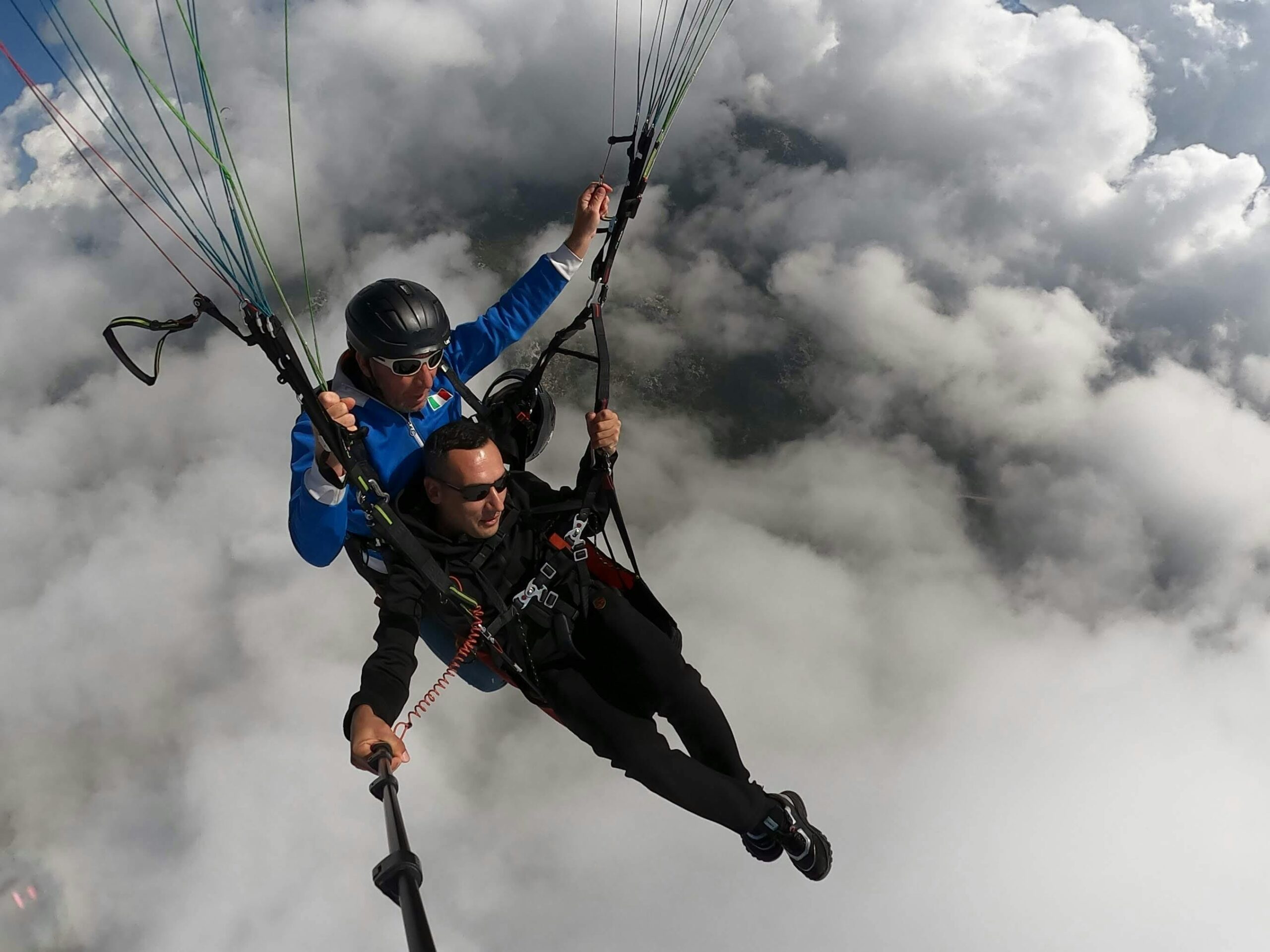
Embracing Uncertainty as Part of Life’s Adventure
Risk-taking exists on a spectrum from destructive recklessness to paralyzing caution, with productive boldness occupying the middle ground. Understanding the psychological, neurological, and social factors driving risk behaviors empowers better personal decisions and more informed policy-making.
The thrill-seekers among us serve vital functions, pushing boundaries and expanding possibilities for everyone. Simultaneously, the cautious individuals provide essential balance, preventing collective disasters through careful evaluation. Both personality types contribute necessary perspectives to human endeavors.
Ultimately, living fully requires accepting some degree of risk. Growth, connection, creativity, and meaning all demand venturing beyond comfortable certainty into unknown territory. The key lies not in eliminating risk but in developing wisdom about which risks deserve taking and how to pursue them intelligently.
By understanding the patterns and psychology behind bold risk-taking behaviors, we can cultivate healthier relationships with uncertainty—embracing challenge and adventure while maintaining appropriate caution. This balanced approach honors both our evolutionary heritage as bold explorers and our modern need for safety and stability in an increasingly complex world.